
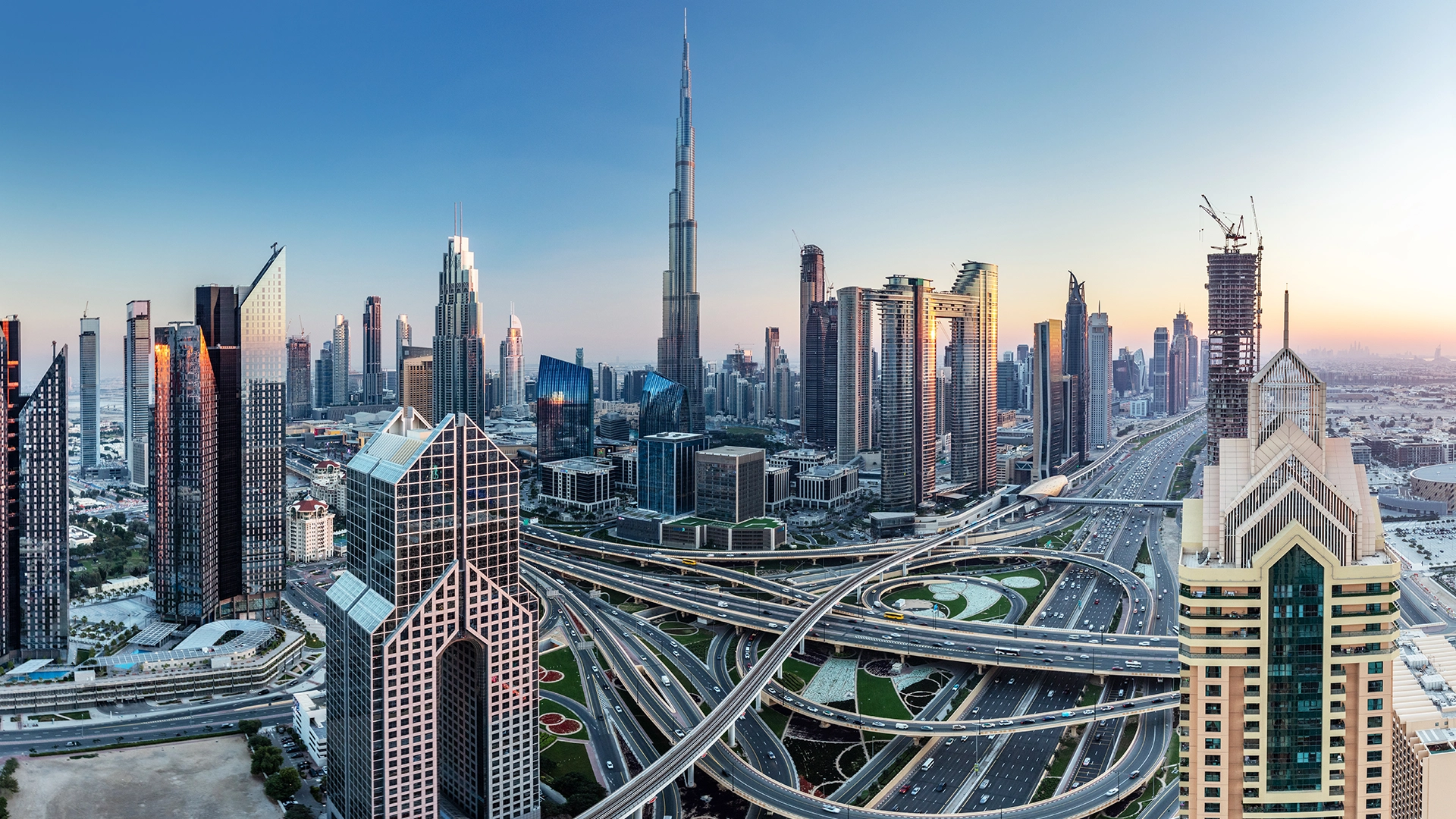
Dubai Infrastructure
Dubai is the world's most connected city home to the busiest international airport on earth, Emirates Airline serving 150+ destinations, and an $82 billion mega airport completing in 2027. No city invests in its future quite like Dubai. This is infrastructure built for global investors and world class living.
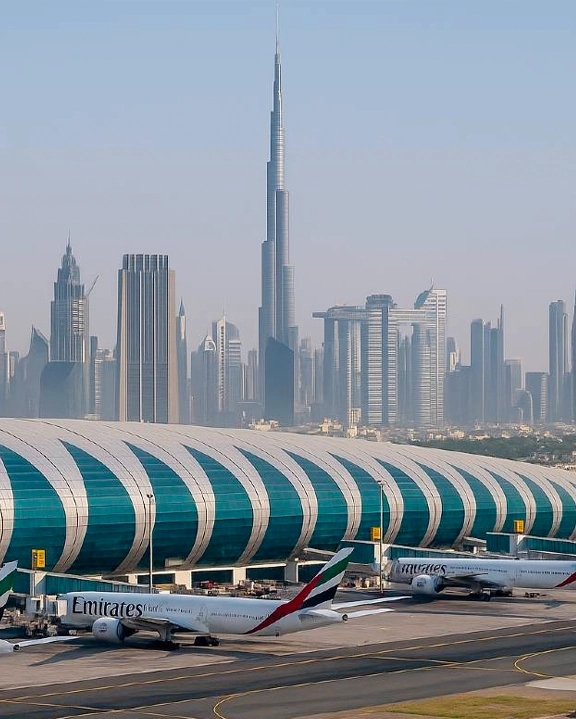
Dubai International Airport (DXB)
Dubai International Airport (DXB) is the primary international airport serving Dubai, and is the world’s busiest airport by international passenger traffic. It is also the fifth-busiest airport in the world by passenger traffic, the sixth-busiest cargo airport in the world, the busiest airport for Airbus A380 and Boeing 777 movements, and the airport with the highest average number of passengers per flight. In 2022, DXB retained its position as the No. 1 hub for international passengers in the world, with annual traffic for 2022 reaching 66 million, which is 8 million more than the nearest rival London Heathrow. Emirates, Dubai’s flagship carrier, operates out of Terminal 3 of DXB, which is the largest airport terminal in the world.
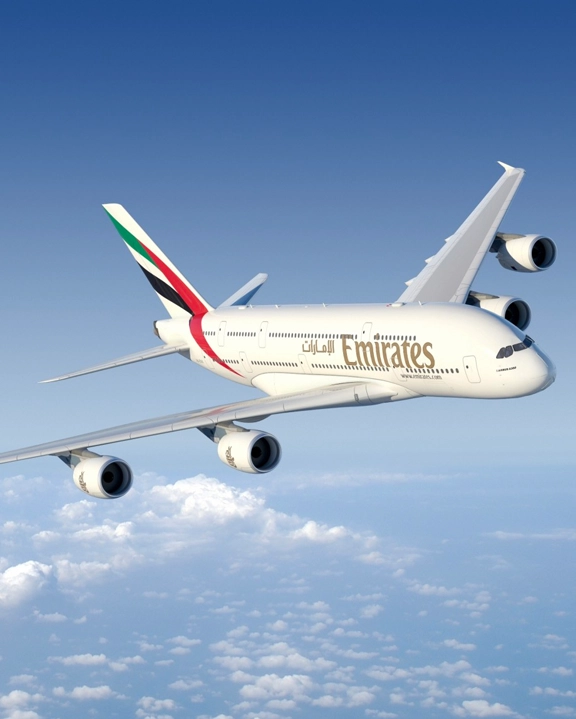
Emirates Airline
Connecting Dubai to the World, Emirates Airline operates flights to over 150 destinations in more than 80 countries. It is one of the world’s largest and most successful carriers, with a fleet considting primarily of Airbus A380s and Boeing 777s.
The success of Dubai has been commensurate with the success of Emirates Airline.
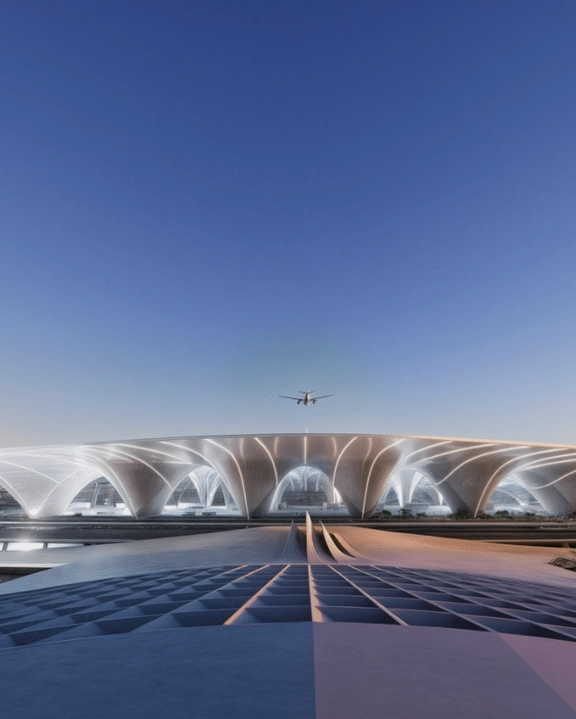
Al Maktoum International Airport (DWC)
When fully completed in 2027, the airport will contain transport modes, logistics and value-added services, including manufacturing and assembly, in a single free economic zone. It will cover an area of 141 Square Kilometers. Al Maktoum International Airport will have a total of 100,000 parking slots. The airport has a projected annual capacity of 12 million tonnes of freight and between 160 million and 260 million passengers. The total cost of the airport has been estimated by the Dubai government to be $82 billion.
66 Million passengers. 150+ destinations. An $82B airport by 2027. Dubai's infrastructure connects your investment to the entire world.
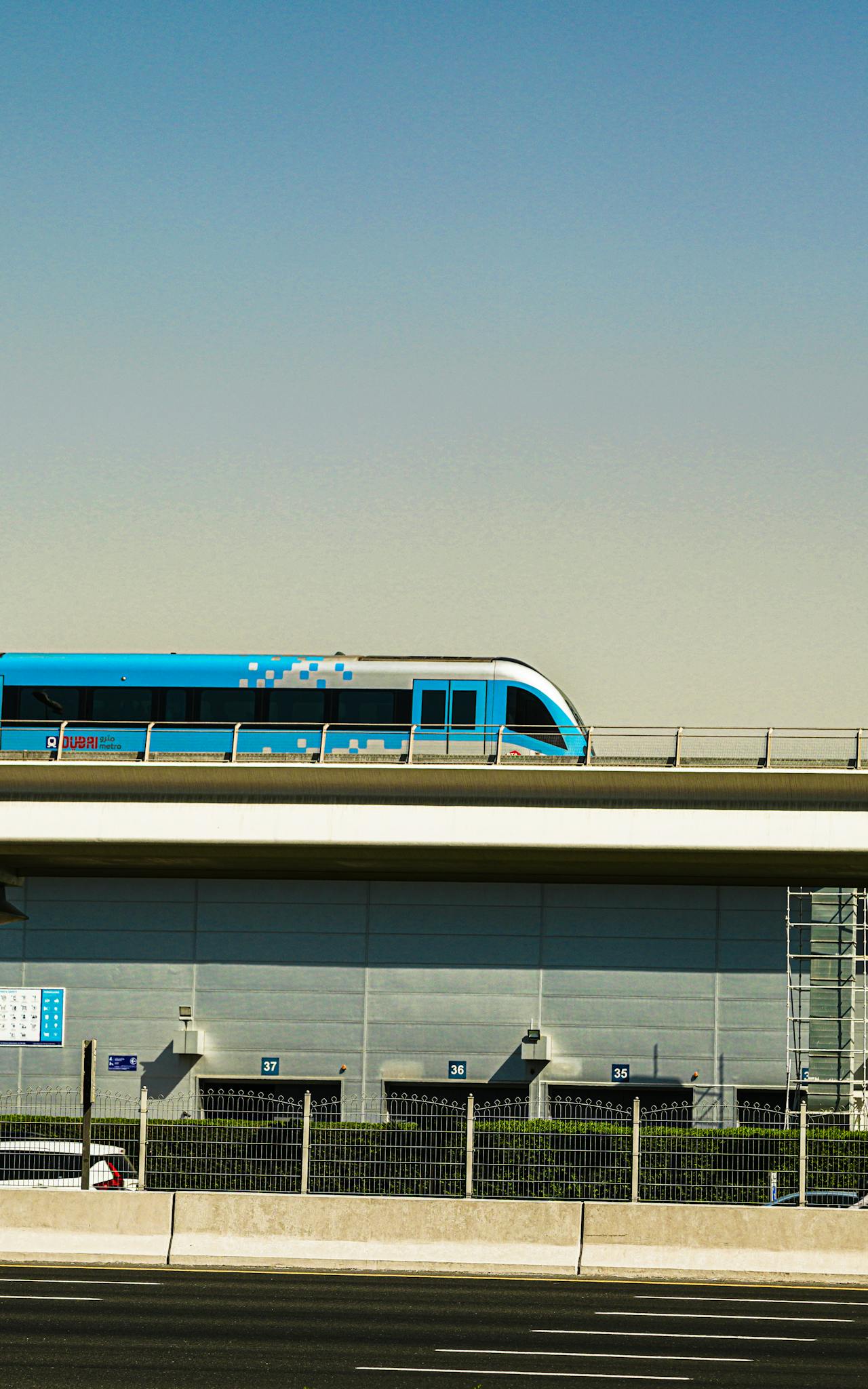
Dubai Metro
The Dubai Metro is a rapid transit rail network. The Red Line and Green Line are operational, with one more line being constructed. These first two lines run underground in the city center and on elevated viaducts elsewhere. All trains are fully automated and driver- less, and, together with stations, are air conditioned with platform edge doors. There are currently 45 stations opera-tional, with many more planned.
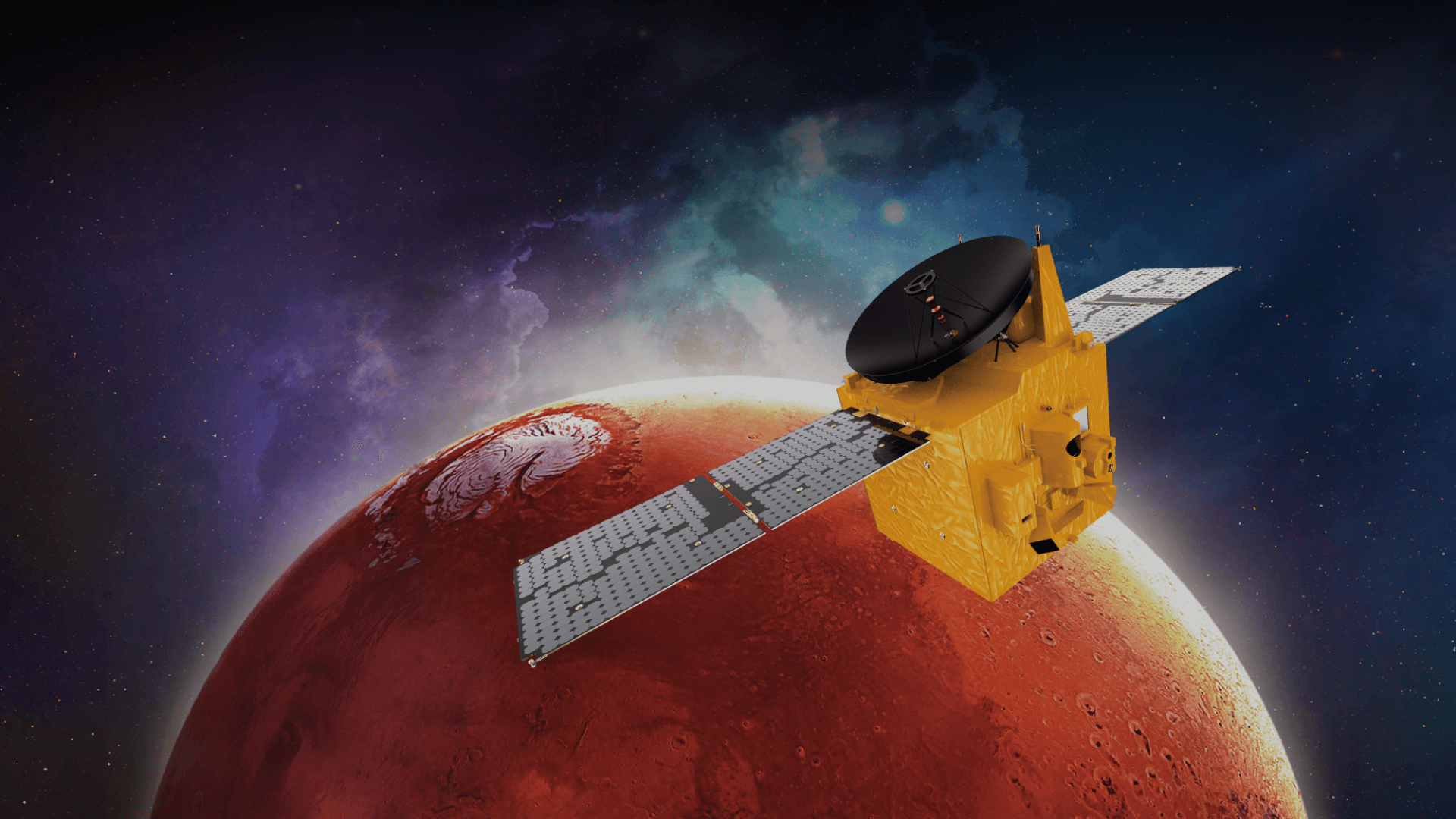
Emirates Mars Mission
The Emirates Mars Mission is a UAE Space Agency unmanned space ex-ploration mission to Mars. The Hope orbiter was launched on 19 July 2020. The mission team includes 150 Emirati engineers and 200 engineers and scien- tists at partner institutes in the United States.
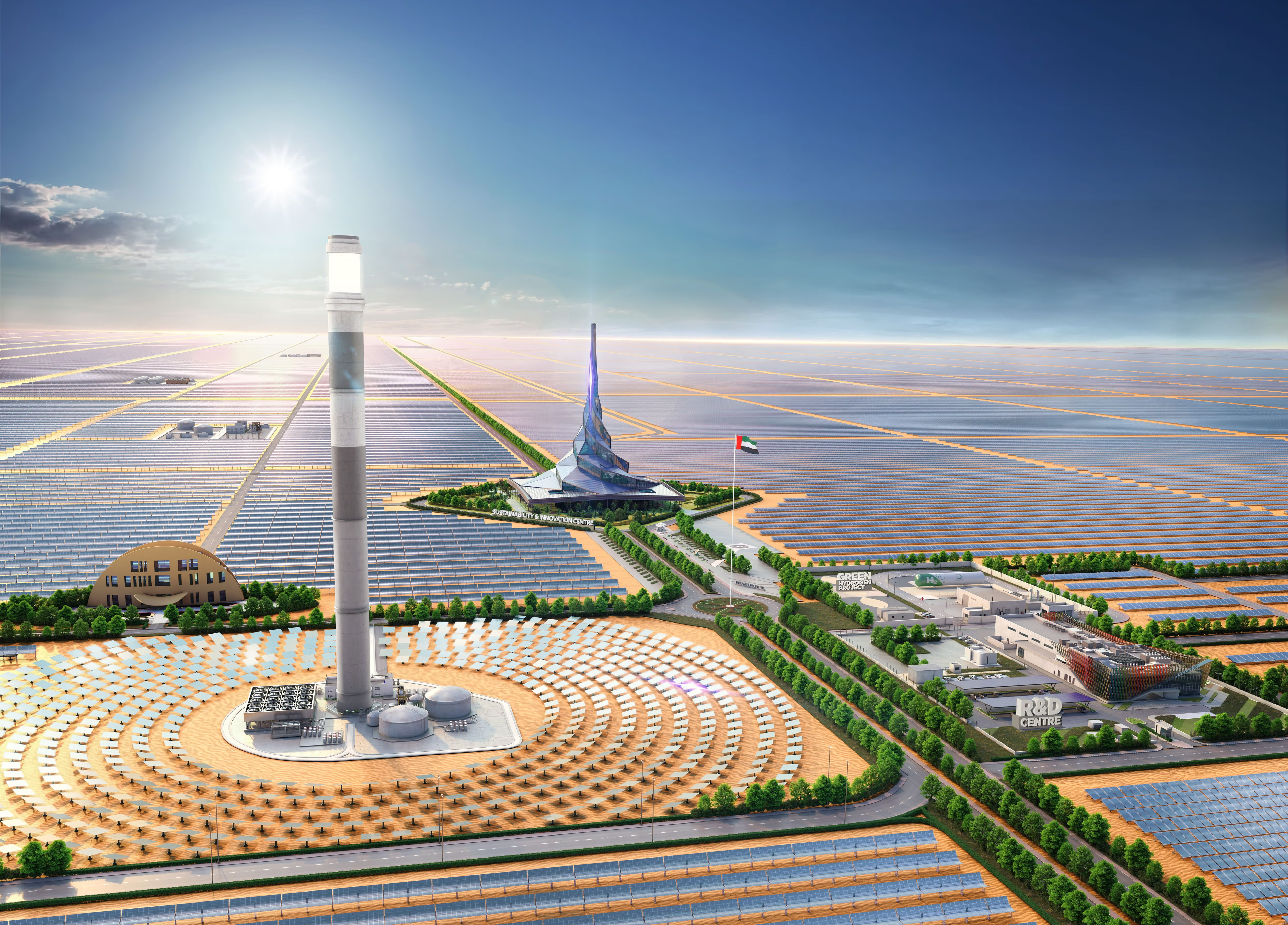
Sheikh Mohammed Bin Rashid Al Maktoum Solar Park
The largest single-site solar energy project in the world, with a planned total production capacity of 5,000 megawatts (MW) by 2030, and a total investment of AED 50 billion.
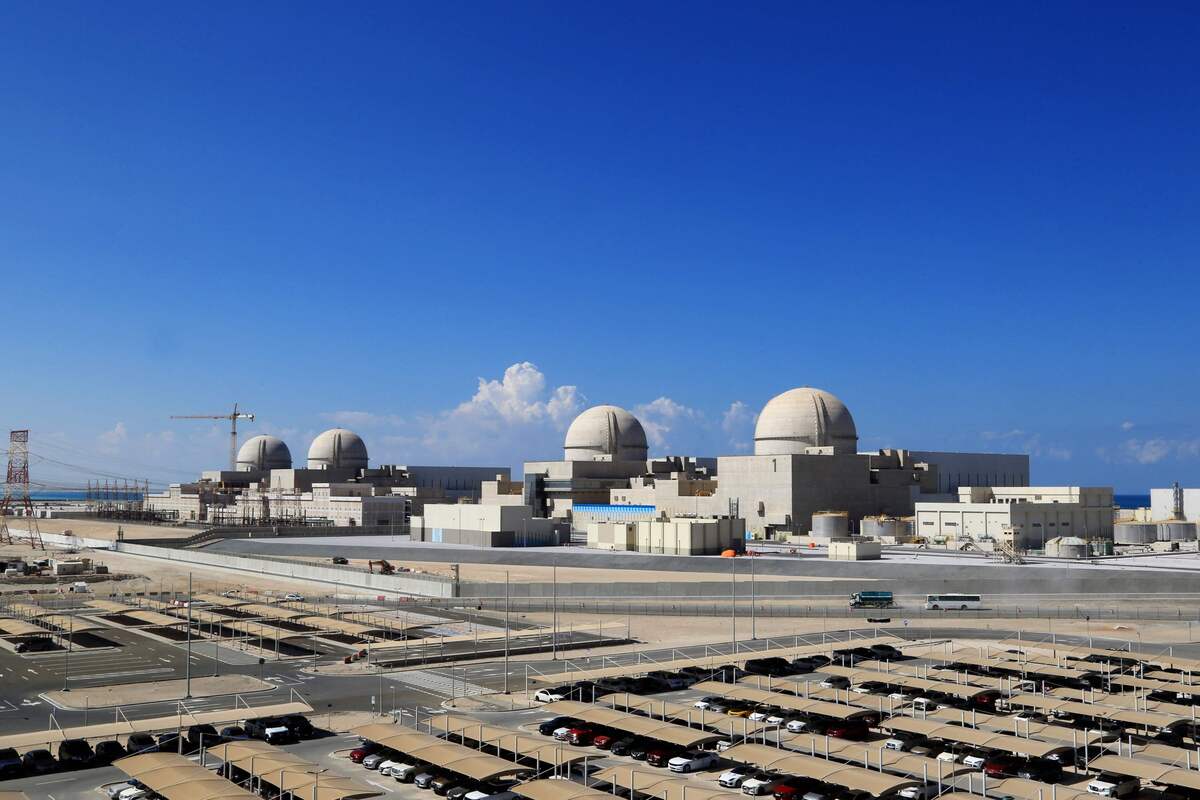
Barakah Nuclear Power Plant
The UAE’s first nuclear power station, the first nuclear power station in the Arabian Peninsula, and the first commercial nuclear power station in the Arab World. With a total capacity of 5,600 megawatts (MW), the station will supply up to 25% of the UAE’s energy needs.
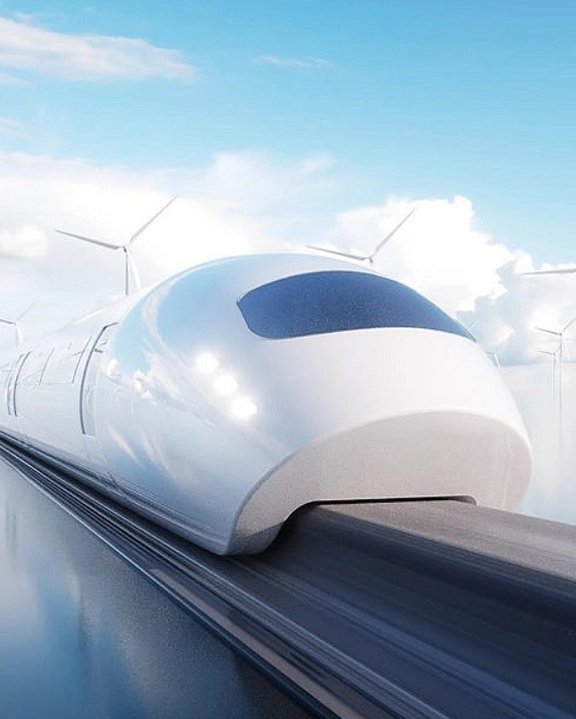
Dubai Hyperloop
Virgin Hyperloop One and the Govern- ment of Dubai’s Roads and Transport Authority (RTA) have unveiled the Dubai Hyperloop One’s first prototype pods that will be used to transfer passengers between Dubai and Abu Dhabi. Upon completion, the Dubai Hyperloop will be transferring approximately 10,000 passengers per hour, to and from each city, in just 12 minutes. In comparison, the same trip currently takes approxi-mately one-and-a-half hours by car.
Dubai’s airports, metro, ports, and energy projects underpin long-term property demand across residential communities.
Frequently asked questions
Clear answers for buyers, investors, and relocators evaluating Dubai real estate.
Register Your Interest
This site is protected by reCAPTCHA and the Google Privacy Policy and Terms of Service apply.